You have finally booked your Kenya safari. The excitement is real, but so is the moment you stand in front of an empty suitcase, wondering what on earth to pack. Too much, and you are lugging a heavy bag through dusty game parks and cramped bush planes. Too little, and you are shivering on a 5 am game drive in the Maasai Mara, wondering why nobody told you about the cold.
This Kenya safari packing list is written by the team at Mouti Tours and Travel, a Nairobi-based safari operator with years of on-the-ground experience across Kenya’s parks, coastlines, and highlands. We have guided clients from the USA, UK, Canada, Australia, and beyond, and we know exactly what makes a packing list work and what mistakes first-timers most commonly make.
Read this guide before you buy anything, and you will arrive in Kenya prepared, comfortable, and ready to focus on what matters: the wildlife, the landscapes, and the memories.
Quick Answer: Kenya Safari Packing Essentials at a Glance
- Neutral-coloured, lightweight clothing; khaki, olive, beige, tan, or grey
- A mid-weight fleece or jacket (early morning game drives can be cold, even in summer)
- Sturdy, closed-toe walking shoes or lightweight hiking boots
- High-SPF sunscreen (50+), DEET-based insect repellent, and a wide-brim hat
- Binoculars; 8×42 or 10×42 recommended
- Valid passport, approved Kenya eTA, yellow fever certificate, and travel insurance documents
- Universal power adapter (Kenya uses Type G plugs) and a power bank
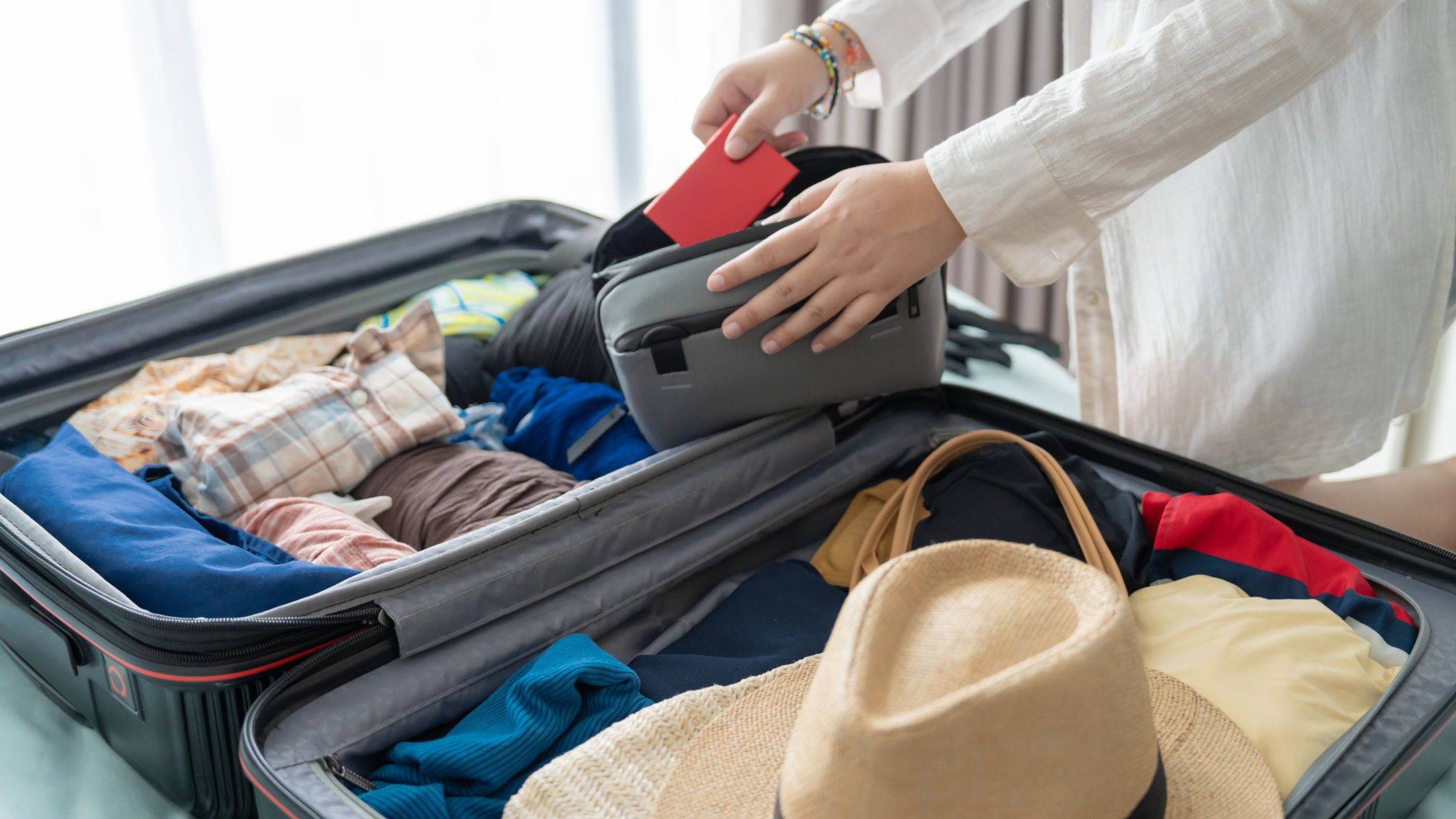
- Soft-sided luggage bag; hard-shell suitcases are not accepted on bush flights
How to Think About Packing for a Kenya Safari
Before you start pulling clothes off hangers, it helps to understand what you are actually packing for. Kenya is not one single environment; it is a country of dramatic contrasts. A week-long safari might take you from the sun-baked plains of Amboseli to the cool highland forests of the Aberdares, then down to the Indian Ocean coast at Diani Beach.
The weather varies significantly. Daytime temperatures on the savannah can reach 30-35°C, while early morning game drives in Maasai Mara or Samburu can drop to 12-15°C. Layers are essential.
There is also a practical constraint most first-timers do not know about until it is too late: if your safari includes internal bush flights between parks (which many itineraries do), the luggage allowance is typically just 15kg in a soft-sided bag. Hard-shell suitcases will not fit in the small luggage holds of bush planes. Pack smart and pack light.
The golden rule: if you are unsure whether you need it, you probably do not.
Safari Clothing: What to Wear in the Bush
Colours That Work, and Colours to Avoid
Neutral tones (khaki, olive, beige, tan, grey, and muted greens) are the safari standard for good reason. They do not spook wildlife, they hide dust and dirt well (and Kenya’s parks are dusty), and they work across all occasions from game drives to lodge dinners.
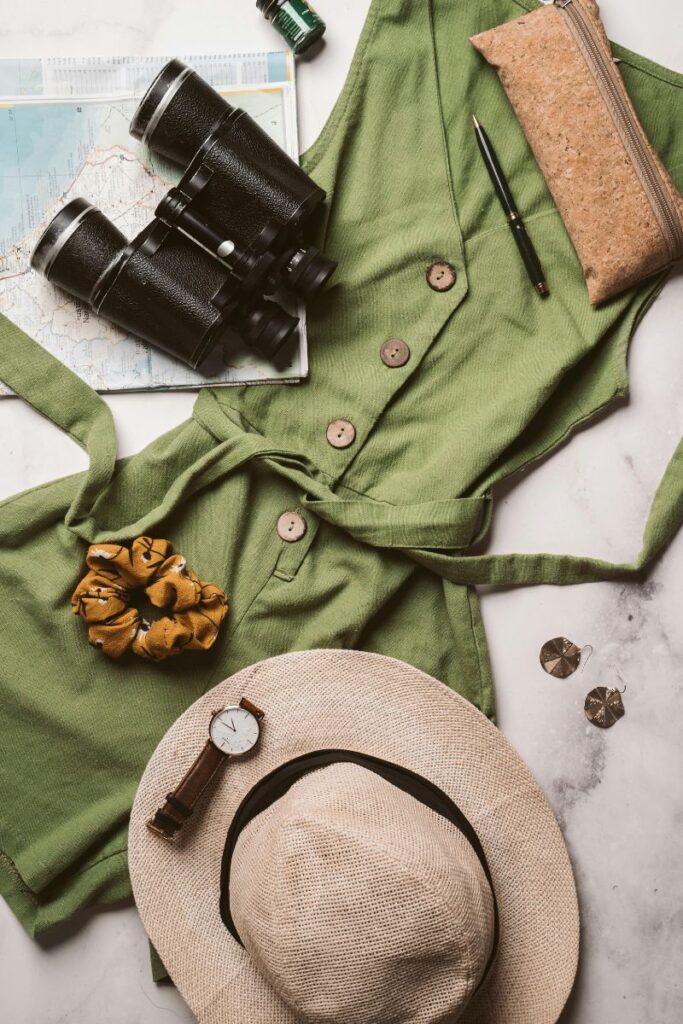
Avoid: White and bright colours (they attract insects and show every speck of dust), camouflage print (illegal in Kenya; it is reserved for military and security forces), and black or dark navy (they attract tsetse flies in some areas).
Tops and Shirts
Pack 3-4 lightweight, long-sleeved shirts as your base. Long sleeves protect against the sun and insects during game drives; both serious concerns in the equator. Breathable fabrics work best: moisture-wicking synthetics or merino wool are ideal. Avoid cotton, which stays wet when you sweat and takes forever to dry.
A couple of short-sleeved options are fine for lodge downtime or warmer afternoons. Quick-dry fabrics mean you can wash them in the sink and wear them the next day.
Bottoms: Trousers, Shorts and Convertibles
Convertible zip-off trousers are the most versatile safari option available. They work as full-length trousers during dusty drives and chilly mornings, then convert to shorts when you are back at the lodge. Pack 2-3 pairs.
Shorts are fine at the lodge and on warmer afternoons, but are not ideal for all-day game drives where sun and insects are a factor. Jeans are not recommended; they are heavy, take forever to dry, and offer no flexibility.
Fleece, Jacket and Warm Layers
This is the item most first-timers forget and the one they regret leaving behind. Early morning game drives in the Maasai Mara, Aberdare National Park, or Samburu National Reserve regularly start at 5-6 am and can be bitterly cold as the vehicle moves at speed through open grassland. A mid-weight fleece or a light down jacket is non-negotiable. You can always take it off once the sun is up, but you cannot manufacture warmth if you do not have it.
Socks and Underwear
Moisture-wicking, quick-dry socks and underwear make a genuine difference on multi-day safaris. Pack enough for your full trip; washing facilities in remote bush camps are limited, and even where laundry is available, turnaround times vary. Wool-blend or synthetic socks are far better than cotton in terms of odour control and drying speed.
Swimwear
Most Kenyan lodges and tented camps have pools, so pack at least one swimsuit. If your itinerary includes a beach extension to Diani Beach or Mombasa, bring two; you will use them every day. Beach cover-ups and a light beach dress are also useful.
Safari Footwear
Walking Shoes or Lightweight Hiking Boots
For bush walks, walking safaris, and general camp movement, you need sturdy, closed-toe shoes with a good grip. Lightweight hiking boots or trail-running shoes are ideal. The key requirement is that they are already broken in before you travel; new boots on day one of a walking safari is a recipe for blisters.
Ankle support is beneficial if your itinerary includes walking safaris or hiking in the Aberdares or Hell’s Gate, but heavy mountain boots are overkill for most standard Kenya safari routes.
Sandals or Flip-Flops
A comfortable pair of sandals is essential for lodge downtime, pool areas, and beach extensions. They are also useful in camp bathrooms. Keep them lightweight; you do not need anything fancy.
What NOT to Wear
Leave these at home: high heels (completely impractical on unpaved bush roads), brand-new trainers (they will be destroyed by dust and mud), and heavy mountaineering boots unless you are specifically doing a mountain trek.
Essential Safari Gear and Accessories
Binoculars
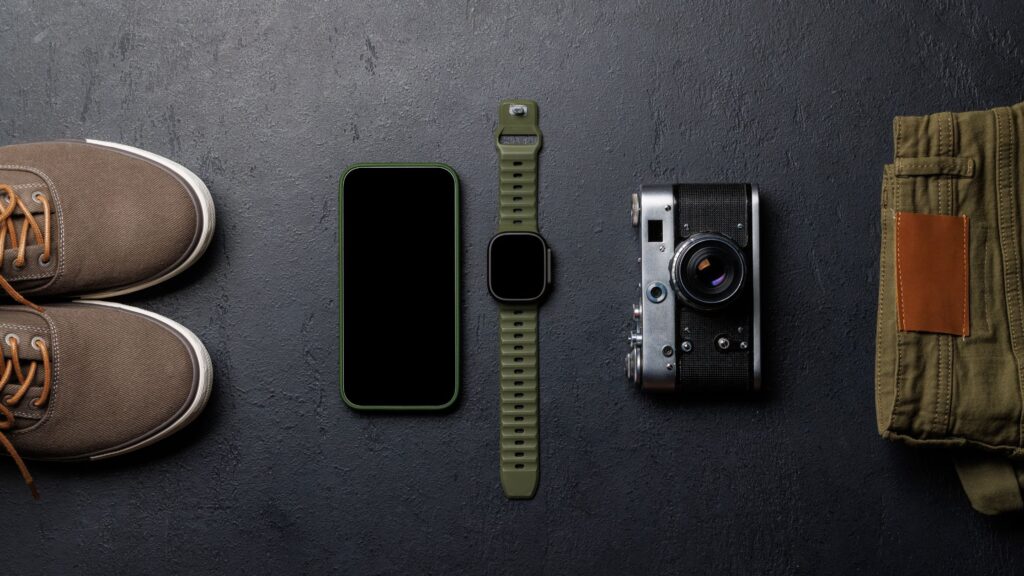
Binoculars are arguably the single most important piece of safari equipment you can bring; more useful daily than even a camera. A good pair lets you spot a leopard in a tree from 500 metres, read a distant lion’s expression, and watch bird behaviour that would otherwise be invisible.
The recommended spec is 8×42 or 10×42. An 8×42 gives a wider field of view (easier to track moving animals) while a 10×42 gives more magnification. Compact binoculars are fine for casual use, but full-size 42mm glass makes a significant difference in low-light conditions at dawn and dusk, which is exactly when the best wildlife activity happens.
Headlamp or Torch
In bush camps and tented lodges, pathways between tents are often unlit, and wildlife does roam through camp at night. A headlamp with fresh batteries is much more practical than using your phone torch. It also frees your hands when you are walking back from dinner.
Daypack or Small Backpack
A small, lightweight daypack is useful for carrying water, snacks, binoculars, sunscreen, and camera gear during game drives and walks. Look for something that opens easily from a seated position in a vehicle; clamshell-style bags are easier than top-loaders.
Reusable Water Bottle
Kenya’s parks are hot and dry, and hydration is critical, especially on long game drives. Bring a durable, insulated reusable water bottle. Many eco-conscious lodges now refill bottles as part of their plastic-reduction policies, so you can leave single-use plastic at home. This matters practically in parks like Amboseli and Tsavo East where temperatures regularly exceed 32°C.
Power Bank and Universal Adapter
Kenya uses Type G plugs, the same three-pin rectangular plugs used in the UK. If you are travelling from the USA, Canada, or Australia, you will need a universal adapter. More importantly, bring a high-capacity power bank. Power supply in remote bush camps can be intermittent, and charging windows are often limited to a few hours per day. A 20,000mAh power bank will keep your phone, camera batteries, and other devices topped up through the full game drive day.
Camera and Photography Gear
Camera Options: Phone vs Mirrorless vs DSLR
You do not need professional gear to come home with extraordinary safari photographs. Modern smartphone cameras (particularly the latest iPhone and Samsung models) produce stunning results in good light. For those who want more, a mirrorless camera with an interchangeable lens system offers the best balance of image quality and portability.
The key variable on safari is not your camera body; it is your zoom reach.
Lenses and Zoom
Wildlife photography is essentially long-distance photography. Animals are rarely within 10 metres of your vehicle, and predators often need to be photographed from 100-300 metres away. A 100-400mm zoom lens on a mirrorless or DSLR gives excellent results. A 150-600mm is even better for birds and distant cats. If you are a casual photographer, a superzoom bridge camera (Panasonic FZ80, Sony RX10 IV) covers everything from wide landscapes to distant wildlife in a single device.
Memory Cards, Batteries and Charging
On a big wildlife day in Amboseli (with elephant herds, big cats, and birds of prey all performing), you can easily take 500-800 photos. Bring at least 3-4 high-speed memory cards (128GB each) and 2-3 spare camera batteries per body. Do not rely on charging in camp; assume power may not be available.
Camera Bag and Dust Protection
Dust is one of the biggest enemies of camera equipment in Kenya’s dry parks. A padded, dust-resistant camera bag with a drawstring opening is essential. Pack lens wipes and a blower brush for daily sensor and lens cleaning. A dry bag or ziplock bag provides extra protection during the dustiest tracks.
Health, Hygiene and Medical Essentials
Malaria Prevention
Kenya is a malaria-risk country, and protection is non-negotiable. Consult a travel medicine doctor or pharmacist at least 4–6 weeks before travel to discuss antimalarial medication options. The most common choices are Atovaquone-Proguanil (Malarone), Doxycycline, and Mefloquine; each has different dosing schedules and side effects.
Beyond medication, use a DEET-based insect repellent (30-50% DEET concentration) applied to exposed skin from dusk onwards. Wear long sleeves and trousers in the evenings. Most lodges also provide mosquito nets and may spray rooms before sunset.
Sunscreen and Lip Balm
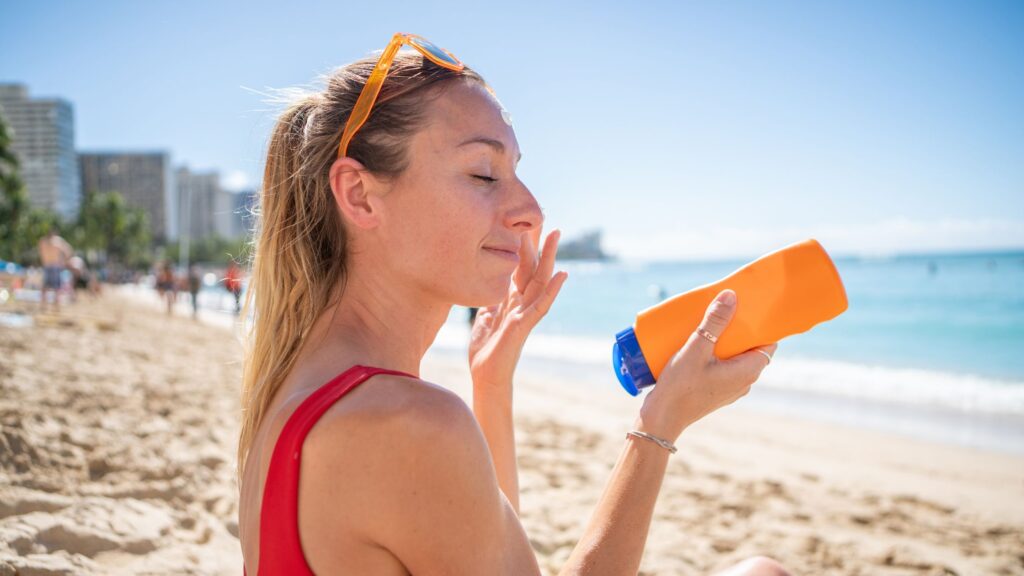
Kenya sits almost exactly on the equator. The UV index in Nairobi, the Mara, and Amboseli regularly hits 10-12; among the highest on earth. SPF 50+ sunscreen applied and reapplied throughout the day is strongly recommended. Do not forget your lips, the tops of your ears, and the back of your neck; all commonly burned in open game-drive vehicles.
Personal First Aid Kit
Pack a basic travel first aid kit including: adhesive plasters and blister pads, antiseptic wipes and cream, antihistamines (for insect reactions and hay fever), oral rehydration sachets, anti-diarrhea tablets (Imodium), pain relief (ibuprofen and paracetamol), and tweezers.
Remote safari parks have very limited access to pharmacies or medical facilities. Having your own kit avoids a great deal of inconvenience.
Prescription Medication
If you take regular prescription medication, bring at least double what you need for the trip. Pack it in your carry-on, not checked luggage. Carry a copy of your prescription or a letter from your doctor; some medications require documentation when passing through customs.
Hand Sanitiser and Wet Wipes
On game drives lasting 4-6 hours, access to soap and water is simply not available. Hand sanitiser and a packet of wet wipes are essential, especially before eating picnic lunches in the bush.
Documents and Travel Essentials
Passport and Kenya eTA
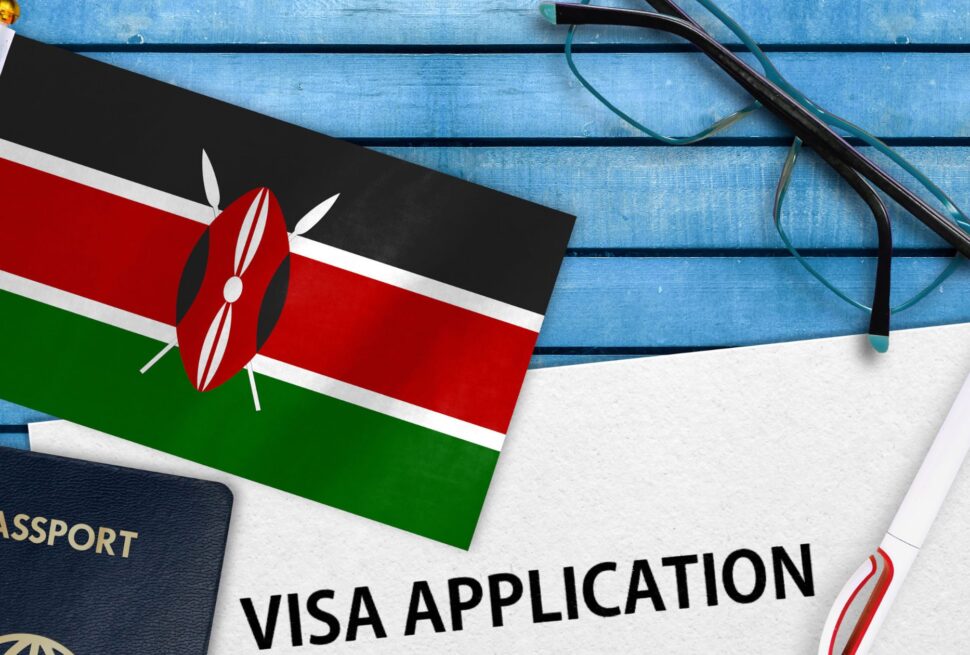
Your passport must be valid for at least six months beyond your intended departure date from Kenya. All international visitors must obtain a Kenya Electronic Travel Authorisation (eTA) before arriving; it is not available on arrival. Applications are processed online and typically approved within three working days, but the official guidance recommends applying at least two weeks before travel. Keep both a digital and printed copy of your eTA approval. For full details on the application process, see our upcoming guide to the Kenya eTA for Tourists.
Travel Insurance Documents
Standard travel insurance is not sufficient for a Kenya safari. You need a policy that includes emergency medical evacuation coverage; the cost of air evacuation from a remote park to Nairobi can exceed USD 20,000 and is not covered by basic policies. Print your insurance documents and keep the emergency contact number saved in your phone. Mouti Tours strongly recommends World Nomads or a specialist travel insurance provider with Africa-specific coverage.
Yellow Fever Vaccination Certificate
A yellow fever vaccination certificate is required if you are arriving from a country where yellow fever is endemic (including many parts of sub-Saharan Africa and South America). Even if you are travelling directly from the USA, UK, Canada, or Australia (where yellow fever is not endemic), it is advisable to carry the certificate if your itinerary includes any onward travel or transits through endemic regions.
Booking Confirmations and Emergency Contacts
Print physical copies of all your hotel and lodge confirmations, your Mouti Tours safari itinerary, park permit details, and flight tickets. Include a contact sheet with Mouti Tours’ emergency number (+254 718 664 422) and your country’s local embassy contact. Digital copies are useful but cannot be relied on in areas with no mobile signal, which includes many of Kenya’s best safari parks. You can always contact our team directly before departure if you need any clarification on your documents.
Money and Payments in Kenya
U.S. dollars are widely accepted at lodges, conservancies, and safari companies across Kenya and are often the preferred currency for park fees, tips, and souvenir purchases. Carry a mix of USD bills in small denominations; USD 1, 5, 10, and 20 are most useful for tipping and small purchases.
For local payments in towns and markets, M-Pesa (Kenya’s mobile money platform) is near-universal but requires a Kenyan SIM card. ATMs are available in Nairobi and major towns, but are rare or non-existent in remote safari areas. Withdraw sufficient local currency (Kenyan Shillings / KES) before leaving Nairobi for remote parks.
For guidance on how much to tip your guides, drivers, and lodge staff, see our upcoming Kenya Safari Tipping Guide.
What to Leave Behind
Knowing what NOT to pack is just as important as knowing what to bring. The following items take up valuable luggage space and are either unnecessary, impractical, or not permitted:
- Camouflage clothing: Strictly illegal in Kenya for civilians. This applies to any camouflage pattern, even casual fashion items. Leave it at home without exception.
- Plastic bags: Kenya has a comprehensive plastic bag ban. Bringing single-use plastic bags into the country can result in fines. Pack a few reusable bags instead.
- Expensive jewellery and watches: They attract unwanted attention and are simply not practical in a safari context.
- Heavy mountaineering boots: Unless you are specifically climbing Mount Kenya or doing a serious highland trek, standard trail shoes are more than adequate.
- Hair dryers and large electrical appliances: Most bush camps run on limited solar or generator power. Hair dryers are not practical and may not be compatible.
- More than two pairs of shoes: One pair of walking shoes/boots and one pair of sandals cover virtually every situation on a standard Kenya safari.
- Heavy books or printed guidebooks: Download digital versions on your phone or tablet. Physical books take up weight and space you need for everything else.
Packing for Different Types of Kenya Safaris
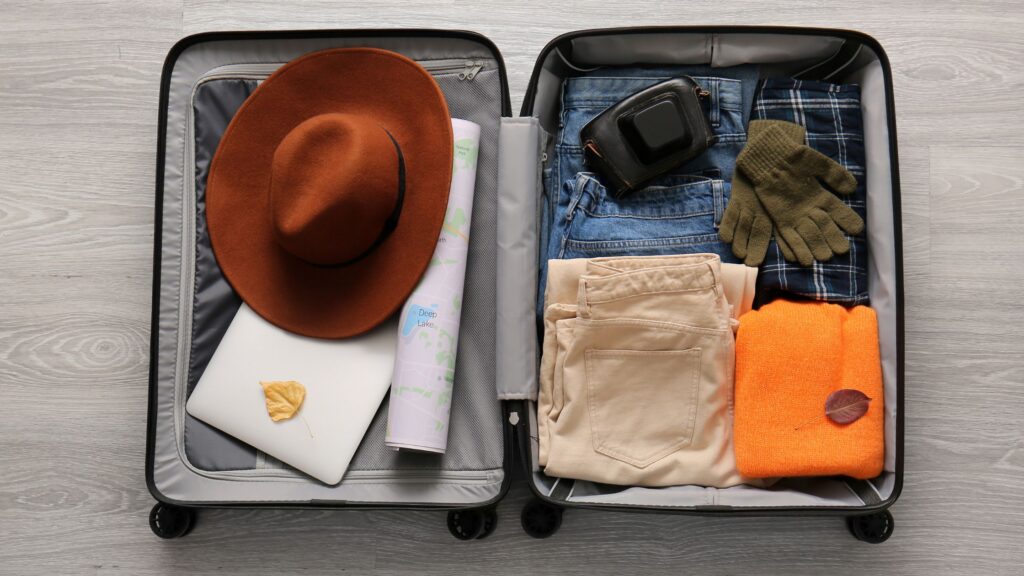
Your exact packing list should reflect the type of safari you are doing. Here are the key adjustments:
Budget Camping Safari
If you are booking a budget camping safari in Kenya, add: a sleeping bag liner (many camps provide sleeping bags, but a liner adds warmth and hygiene), a quick-dry microfibre towel, a small padlock for your tent, and extra layers for cold nights. Camp showers may be bucket-style; manage your expectations and pack dry shampoo.
Luxury Lodge Safari
On a luxury safari, lodges typically provide high-end toiletries, bathrobes, and towels, so you can pack lighter. That said, you may want one smart-casual outfit for evening dinners; many luxury lodges have an informal dress code after dark. Think clean chinos or a light dress rather than formal wear.
Beach Extension: Diani or Mombasa
If your safari ends with a beach extension to Diani Beach or Mombasa, bring: two swimsuits, reef-safe sunscreen, a beach cover-up or light linen shirt, water shoes or reef sandals, and a light beach bag. You will barely use your safari clothes at the coast; consider packing a separate small bag for beach-only items.
Family Safari with Kids
Travelling on a Kenya safari with kids? Add child-specific sunscreen and insect repellent (paediatric formulations), sun hats sized for children, a compact tablet or portable entertainment for long drives between parks, snacks and rehydration sachets for younger children, and any required children’s medications. Also pack a basic child first aid kit separate from the adult one.
| Mouti Tours Guide Tips: Straight from the Field |
| “On a great day in Amboseli with the elephants moving against Kilimanjaro, you will take 600 photos before 9 am. Bring far more memory card space than you think you will need. 256GB minimum.” – Peter Mouti |
| “Soft-sided bags are non-negotiable on bush flights between parks. We have seen clients turned away at the airstrip because they showed up with hard-shell cases. It is a painful and avoidable mistake.” – Mouti Tours Operations Team |
| “On a great day in Amboseli with the elephants moving against Kilimanjaro, you will take 600 photos before 9am. Bring far more memory card space than you think you will need. 256GB minimum.” – Peter Mouti |
| “Buy your insect repellent before you leave home. DEET-based repellents are available in Kenya, but finding your preferred brand in a remote town near a national park is not guaranteed.” |
| “Leave one empty soft bag or duffel in your luggage. Safari souvenirs (carvings, fabrics, Maasai jewellery) tend to multiply. You will want the extra space on the way home.” |
Kenya Safari Packing List: Quick Reference
| Category | What to Pack |
| Clothing – Tops | 3-4 long-sleeved neutral shirts, 2 short-sleeved options |
| Clothing – Bottoms | 2-3 convertible trousers, 1-2 pairs of shorts |
| Clothing – Layers | Mid-weight fleece or light down jacket |
| Clothing – Swimwear | 1-2 swimsuits for lodge pools or beach extensions |
| Footwear | Walking shoes/boots (broken in), sandals or flip-flops |
| Accessories | Wide-brim hat, UV sunglasses, scarf/buff |
| Safari Gear | Binoculars (8×42 or 10×42), headlamp, daypack, reusable water bottle |
| Photography | Camera + zoom lens, extra batteries, 3-4 memory cards, dust bag |
| Electronics | Type G adapter, high-capacity power bank (20,000mAh+) |
| Health | Antimalarials, DEET repellent, SPF 50+ sunscreen, personal first aid kit |
| Documents | Passport, Kenya eTA approval, travel insurance, yellow fever cert |
| Money | Mix of USD bills (small denominations), some KES for local use |
| Miscellaneous | Hand sanitiser, wet wipes, reusable bags (no plastic bags in Kenya) |
Frequently Asked Questions
What is the best colour to wear on a Kenyan safari?
Neutral earth tones (khaki, olive, beige, tan, and muted grey-green) are ideal. They blend with the environment, do not spook wildlife, and hide dust and dirt effectively. Avoid white, bright colours, and camouflage.
Can I wear shorts on a Kenya safari?
Yes, shorts are fine for lodge downtime and relaxed afternoons. For all-day game drives, however, long trousers provide better protection from the sun and insects. Convertible zip-off trousers that turn into shorts are the most versatile option.
Do I need a yellow fever vaccination to visit Kenya?
A yellow fever vaccination certificate is required only if you are arriving from a yellow fever-endemic country. However, if your travel involves transits through endemic regions, carrying the certificate is strongly advisable. Consult a travel health clinic before departure.
What type of bag should I bring on a Kenya safari?
A soft-sided duffel bag or collapsible travel bag is essential if your itinerary includes internal bush flights between parks. Hard-shell suitcases are not accepted on small bush aircraft. A daypack or camera bag for use during game drives is also highly recommended.
Is camouflage clothing allowed in Kenya?
No. Camouflage clothing of any kind is strictly prohibited for civilians in Kenya. This includes casual fashion items with camouflage patterns. Violators can face fines or detention. Leave all camouflage at home.
What camera lens is best for a Kenya safari?
A zoom lens in the 100-400mm or 150–600mm range is ideal for wildlife photography. For casual photographers, a superzoom bridge camera (e.g., Panasonic Lumix FZ80 or Sony RX10 IV) covers all situations in one device. The key priority is zoom reach, not camera body quality.
How many outfits do I need for a 7-day Kenya safari?
For a 7-day safari, 4-5 outfits (tops and bottoms) are sufficient, assuming access to basic laundry services at your lodge. Quick-dry fabrics mean you can hand-wash items overnight. Focus on versatility rather than variety; convertible trousers and neutral shirts work in every situation.
What should I pack for a beach extension after a Kenya safari?
For a beach extension to Diani Beach or Mombasa, pack swimwear, reef-safe sunscreen, a beach cover-up, reef sandals or water shoes, and a lightweight beach bag. Consider packing these in a separate small bag within your main luggage so they are easy to access when you arrive at the coast.
| Ready to Start Planning Your Kenya Safari? Every safari is different, and your packing list should be too. Whether you are planning a 3-day Maasai Mara escape or a 15-day Kenya bush and beach journey, our team can send you a custom pre-trip packing checklist tailored to your exact itinerary, accommodation type, travel dates, and group size. Tell us your travel dates, where you want to go, and your budget, and we will do the rest. → Request your free safari quote here 📞 +254 718 664 422 | ✉ moutitours20@gmail.com |